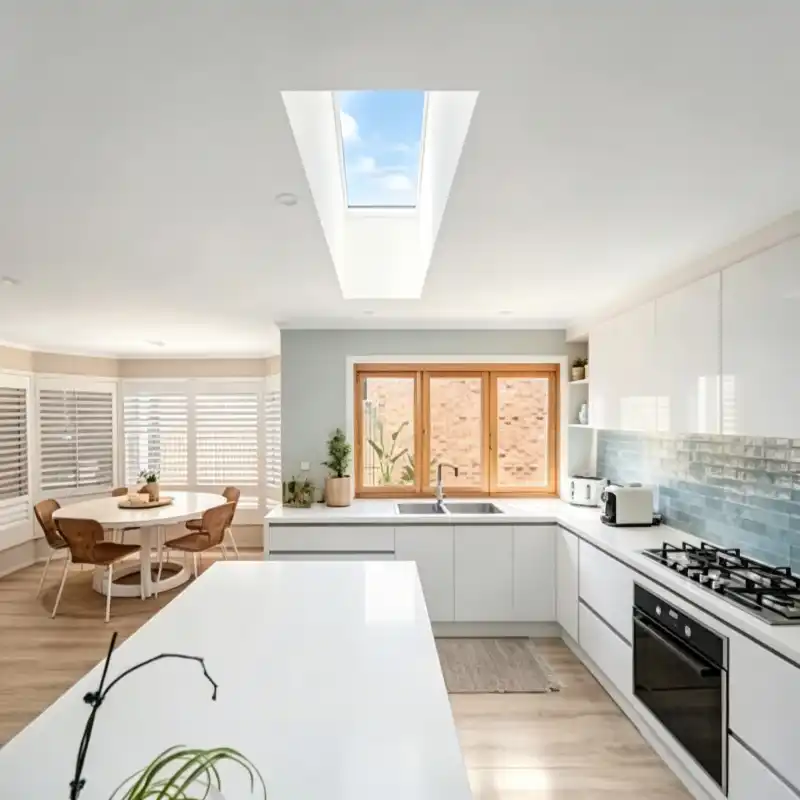
Virtual Skylight Guide: How Virtual Skylight Simulates Real Sky
Many residences and offices have windowless rooms. Basements and partitioned interior offices suffer from a permanent lack of natural daylight. Products like virtual skylight, also known as artificial clear sky lamps, can replicate the visual experience of real sky indoors without roof renovation, bringing a patch of “blue sky” into windowless interior spaces.
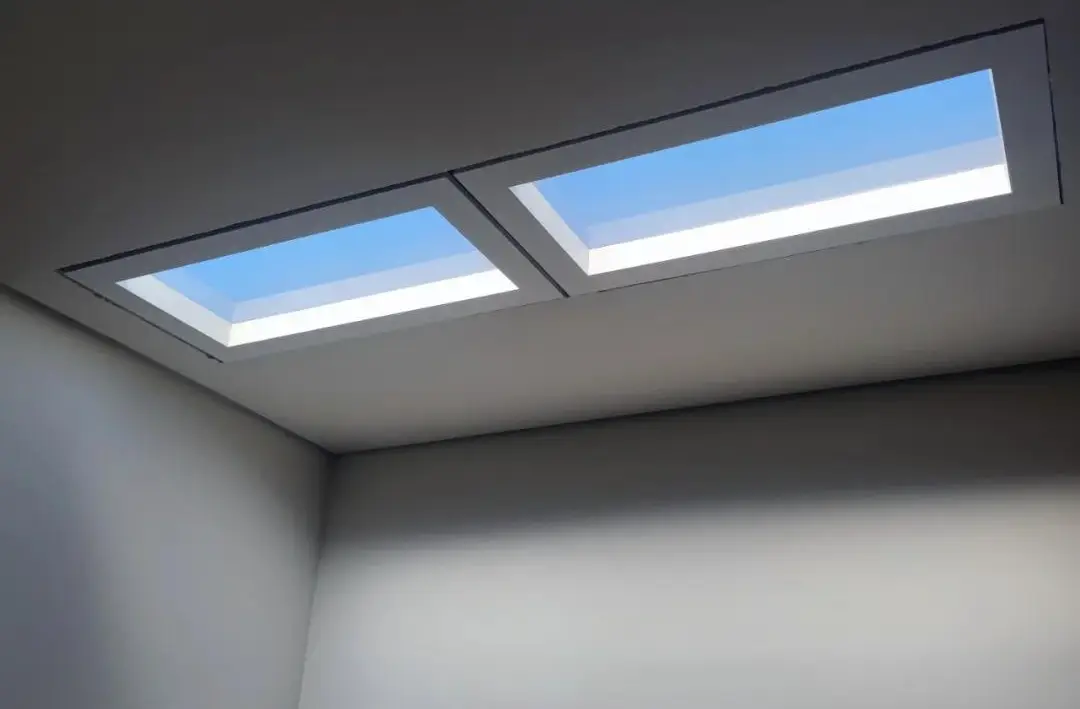
The virtual skylight introduced here relies on LED light sources to simulate the visual sensation of real sky. It can either be embedded into the ceiling or mounted on walls in a faux-window style, creating a view of sky in rooms without physical windows.
Unrestricted by weather or floor levels, virtual skylight allows manual adjustment of light brightness and color temperature. No roof structural modifications are required, lowering renovation barriers. It is an electrical lighting product and cannot bring in actual outdoor sunlight, yet it reproduces the visual effect of sky and a comfortable indoor light environment.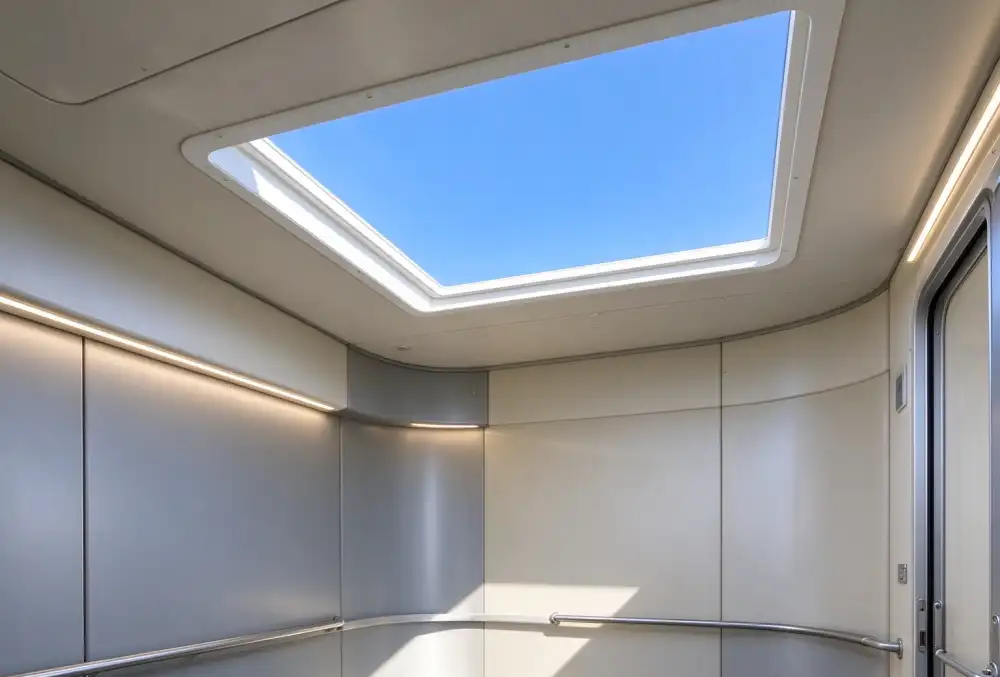
Suitable Ceilings and Rooms
This fixture is compatible with most indoor ceiling types, including gypsum board ceilings, integrated ceilings and dropped ceilings. artificial skylight for basement is a highly popular application scenario. Basements receive almost no natural light, and virtual skylight can greatly ease the claustrophobic feeling of such spaces.
Besides basements, it can be installed in interior bathrooms, windowless offices, bedrooms, clubs and exhibition halls. Apart from ceiling mounting, some models support wall installation to act as a simulated window.
Purchase Differences Between virtual skylight and virtual skylights
Note: The singular term virtual skylight usually refers to a single luminaire; the plural virtual skylights stands for a complete virtual skylight solution with multiple units combined.
Single-unit Installation vs Multi-unit Combination
For small spaces such as bedrooms and small basements, one virtual skylight is enough to deliver basic sky effects.
For large spaces, including open office zones, large flat-floor corridors and big basements, virtual skylights arranged in groups create a continuous and complete sky ceiling, namely the full effect of sky light ceiling light.
Assess the room area before purchase to avoid insufficient coverage and disjointed visual experience caused by a single luminaire.
Size, Brightness and Color Temperature
The size must match the ceiling cutout dimension; brightness should be selected according to room ceiling height; color temperature directly shapes the look of simulated sky. High-quality products restore the color temperature range of daytime clear sky, and some models support smart dimming. When shopping for led artificial skylights, prioritize light sources with a high color rendering index to reproduce true colors of objects, preventing color shift and glare found in low-cost alternatives.
Is digital skylight another type of virtual skylight?
Many buyers confuse virtual skylight with digital skylight. Though both simulate sky, they operate on fundamentally different underlying principles.
Working Principle of digital skylight
digital skylight relies on screens, backlit images or projection to display blue sky scenes. Essentially it is a display panel or backlit graphic panel that stores and plays sky and cloud image materials.
Visual Differences from virtual skylight
digital skylight outputs flat images with fixed picture materials. In contrast, virtual skylight adopts an optical scattering structure to build spatial depth, creating a perspective effect as if gazing at real sky instead of looking at a flat picture. Some digital skylight models have limited image quality and show obvious screen grain when viewed up close.
Application Differences Between digital window for home and digital skylight
H3: Wall-mounted digital window vs Ceiling-mounted digital skylight digital window for home is designed for wall installation, simulating a side window viewing outdoor scenery; digital skylight is mainly mounted on ceilings to imitate roof skylights.
One simulates a “side window”, the other a “top skylight”. Mounting position determines their visual experience. You may also notice fake window light panel on the market; many wall-mounted simulated window products fall into this category.
Selection Guide for Living Rooms, Bedrooms and Basements
- Basement: Prioritize ceiling-mounted virtual skylight to relieve the sense of oppression caused by lack of overhead natural light. You may add digital window for home on spare wall space for decoration.
- Bedroom: Install virtual skylight on the ceiling. Its soft light suits daily living. Avoid heavy use of screen-based digital products in bedrooms, as screen backlight may disrupt sleep.
- Living Room: For rooms with high ceilings, use grouped virtual skylights on the ceiling; digital window for home can be added on walls as soft furnishing decoration.
Common Issue with fake digital window: Why some “fake windows” look unnatural?
Many low-cost fake digital window products fail to achieve realistic sky effects, mainly due to the following reasons:
- They merely use blue film or printed blue sky pictures with backlighting, without optical scattering structures, resulting in a flat blue panel with no sky depth.
- Low color rendering index of light sources causes distorted colors of indoor objects and odd room atmosphere.
- Poor brightness matching: either overly bright and glaring, or too dim to create atmosphere.
- Improper installation location and mismatched proportion between size and space.
To avoid these problems, do not rely solely on promotional renderings. Verify the product’s optical solution and light source parameters, and refer to real project cases instead of just marketing photos.
5 Checks Before Installing virtual skylight
- Ceiling condition: Confirm ceiling type and reserved internal depth of the ceiling to check if the product fits flush mounting. For gypsum board ceilings, verify keel load-bearing capacity.
- Power supply: Check whether power cables are reserved at the installation spot. For smart models, confirm reserved space for transformers and controllers.
- Space size: Evaluate room area to decide whether one virtual skylight or grouped virtual skylights are required.
- Mounting position: Choose ceiling recessed installation or wall mounting. Confirm wall load capacity for wall-mounted installation.
- Application scenario: For humid spaces such as bathrooms, verify the product’s IP rating. Models with corresponding protection grades must be selected for humid environments.
FAQ
Q1: Can virtual skylight fully replace real skylights? A: No. virtual skylight is an artificial lighting fixture. It simulates sky visuals and natural light texture but cannot bring in real outdoor sunlight. It is suitable for indoor spaces where roof modification or physical windows are impossible.
Q2: How do I choose between virtual skylight and fake digital window? A: Pick virtual skylight if you want a ceiling skylight effect and pursue authentic sky depth. Choose fake digital window or digital window for home if you prefer decorative wall windows and landscape scenes. Clarify the positioning of the two product types.
Q3: Will artificial skylight for basement get damaged by moisture when installed in basements? A: Standard household models fit dry basements. For damp basements, select models with moisture protection ratings and ensure proper ventilation of the space.
Q4: Do grouped virtual skylights require a dedicated controller? A: Some models support unified smart control while others can only be controlled individually. Confirm supporting accessories before purchase.
Q5: Is maintenance for led artificial skylights troublesome? A: Qualified products feature long-lifespan LED light sources. Daily maintenance only involves surface dust cleaning. Do not disassemble the optical structure by yourself, otherwise the sky simulation effect will be destroyed.