How to Make a Fake Window
People searching for how to make a fake window do not all have the same goals. Some only want to cover a blank wall, some need supplementary lighting for basements, while others aim to create a sky light effect close to real sky.
Different goals call for different approaches. Decorative fake windows can be low-cost, illuminated fake windows are more practical, and sky light fake windows are nearly finished optical devices. Define your purpose first, then decide whether to DIY or purchase ready-made products.
Common Types of Fake Windows
- Decorative fake window: Picture frames, shutters, curtains, window films, landscape paintings. It mainly solves visual monotony and provides no actual illumination. Low cost and simple installation, suitable for rental properties or temporary decoration.
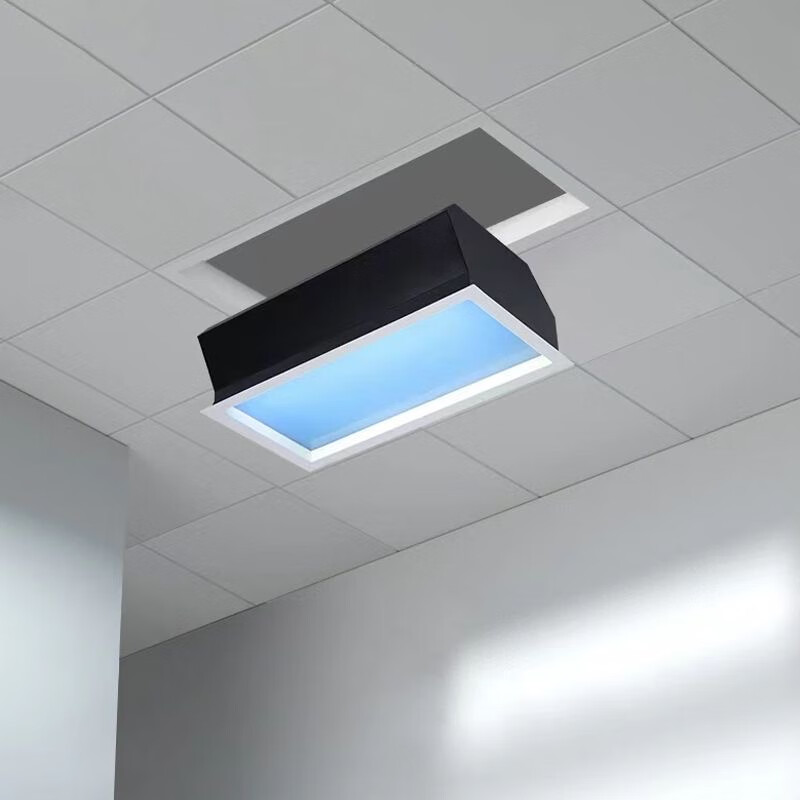
- Illuminated fake window: LED light boxes, light guide plates, acrylic backlights, fake window lights. It can deliver a certain brightness, yet there are big differences in light uniformity, color rendering and color temperature. Low-cost solutions often show visible LED bead spots and blue tint.
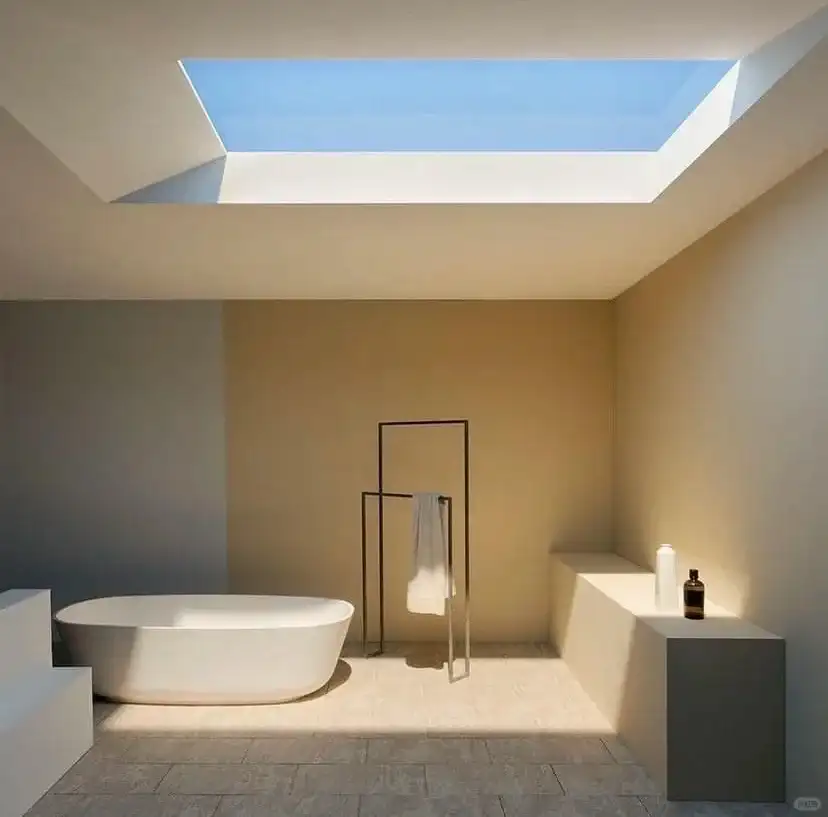
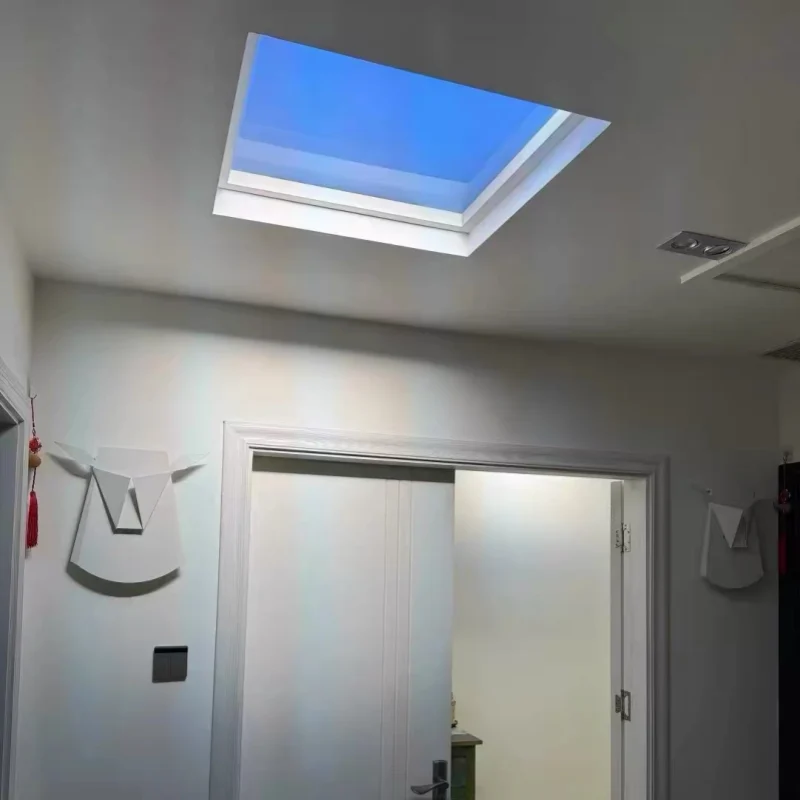
- Sky light fake window: Simulates blue sky, Rayleigh scattering and sunlight angles. It is not merely “bright”; it makes the space look like it has natural skylight. Higher in price, but more effective for windowless spaces.
When creating a fake window, type selection matters more than material selection. Choosing the wrong type makes it hard to get a realistic window look even with later optimization.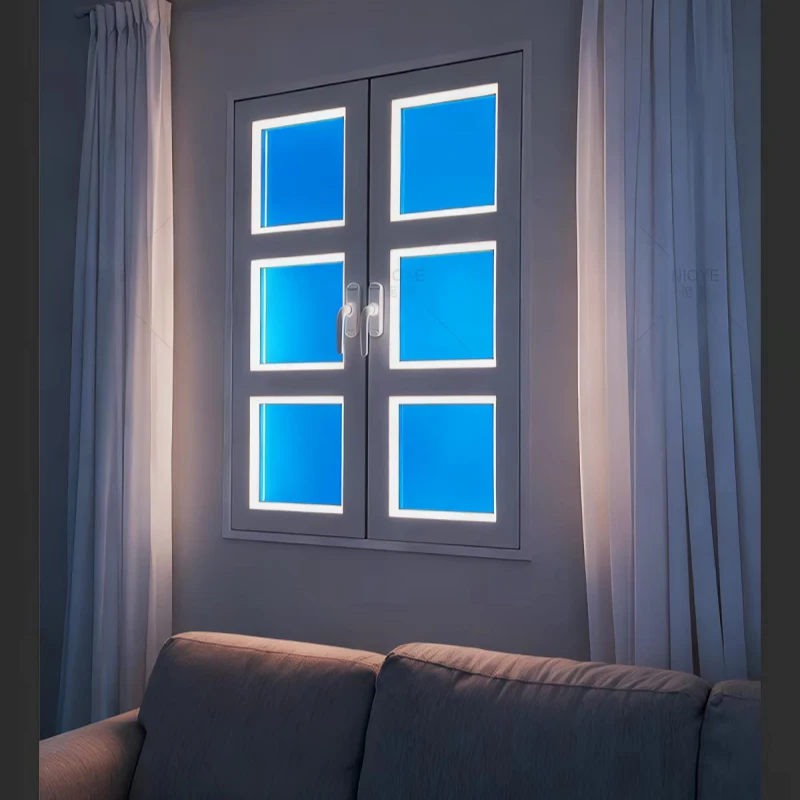
Basic Materials & Tools
A fake window generally consists of three parts: frame, background and lighting.
- Frame: Wooden frame, aluminum alloy frame, PVC moulding, ready-made picture frame.
- Background: Landscape canvas, gradient film, acrylic sheet, light guide plate, sky image.
- Lighting: LED strip lights, LED bars, low-voltage power supply, dimmer, light shielding strips, aluminum channels.
- Tools: Tape measure, electric drill, saw, screwdriver, wire stripper, glass adhesive, heat shrink tubing, multimeter.
If you only need the decorative effect for how to make a false window, no power supply is required; you can finish it directly with canvas and frame.
However, for long-time illumination, power supply, dimming and heat dissipation are indispensable. Especially for bedrooms and offices, brightness and color temperature will directly affect comfort.
Simple Steps: Frame, Background, Lighting
Step 1: Build the frame. Measure the wall proportions first. Common window aspect ratios are 16:9 or 4:3. Frame depth is recommended at 3–6 cm to hide light strips and mix light.
Step 2: Prepare the background. You can use sky canvas, gradient acrylic or light guide plate. The background determines how “window-like” it appears, while lighting determines how “natural the daylight” looks.
Step 3: Install lighting. To create fake window for decorative purposes, use backlight plus canvas. To create a fake window closer to sky light, side-entry light guide plate paired with high CRI light strips is recommended.
Mount on the wall and do final adjustment. Pay attention to edge light shielding to prevent light leakage. It can be brighter for day mode, with reduced brightness and color temperature for night mode.
Cost Estimation
| Solution | Approximate Cost | Effect | Suitable Scenarios |
|---|---|---|---|
| DIY Decorative Type | 20–80 USD | Visual decoration | Rental housing, feature walls, temporary setup |
| DIY Illuminated Type | 80–300 USD | Provides lighting, average uniformity | Basements, corridors, small rooms |
| Ready-made Sky Light | 300–1500+ USD | Close to real skylight | Windowless offices, high-end residences, commercial spaces |
DIY seems low-cost, but you need to account for tools, rework, power supply, dimmer and time cost.
Low-cost light strips feature low color rendering, fast light decay and color temperature drift. After long-term use, the overall cost may not be lower than ready-made products.
DIY Fake Window vs Ready-made Sky Light
| Dimension | DIY Fake Window | Ready-made Sky Light |
|---|---|---|
| Effect | Depends on workmanship and materials | More stable optical design |
| Uniformity | Prone to light spots | Usually more uniform |
| Color Rendering | Unstable | Controlled and higher |
| Installation | Self-handled | Modular, more hassle-free |
| Safety | Relies on personal wiring | Certified with warranty |
| After-sales | Almost none | Brand support available |
| Time Consumption | Longer | Shorter |
When weighing how to make a fake window, do not only look at material prices. Time, safety, effect and after-sales service should all be considered.
DIY fits people who enjoy hands-on work. Ready-made products suit those seeking stable performance.
Scenarios Suitable & Unsuitable for DIY
Suitable for DIY
- Limited budget, only decorative effect needed
- Rental space with no major renovation allowed
- Small-size fake window for temporary use
- Have hands-on skills to handle basic wiring
- No requirement for continuous long-hour operation
Unsuitable for DIY
- Primary lighting for basements
- Windowless offices requiring long-hour supplementary lighting
- Kids’ rooms, humid spaces and commercial premises
- High requirements for color rendering, light uniformity and safety certification
- Expect warranty and after-sales support
For these scenarios, ready-made sky light is a more reliable option. It is not a simple light box, but a complete optical system.
Conclusion
There is no single answer to how to make a fake window. Decorative versions can be cheap, illuminated ones deliver practical lighting, and sky light variants mimic real skylight.
DIY offers flexibility and a sense of accomplishment, yet its upper effect limit is restricted by materials, craftsmanship and optical design. Ready-made sky light costs more, but reduces trial and error and delivers a stable natural daylight experience.
Define your goal first, then pick your solution. Whether you choose DIY or ready-made products, you are more likely to achieve a satisfying fake window effect.