What Is Artificial Lighting?
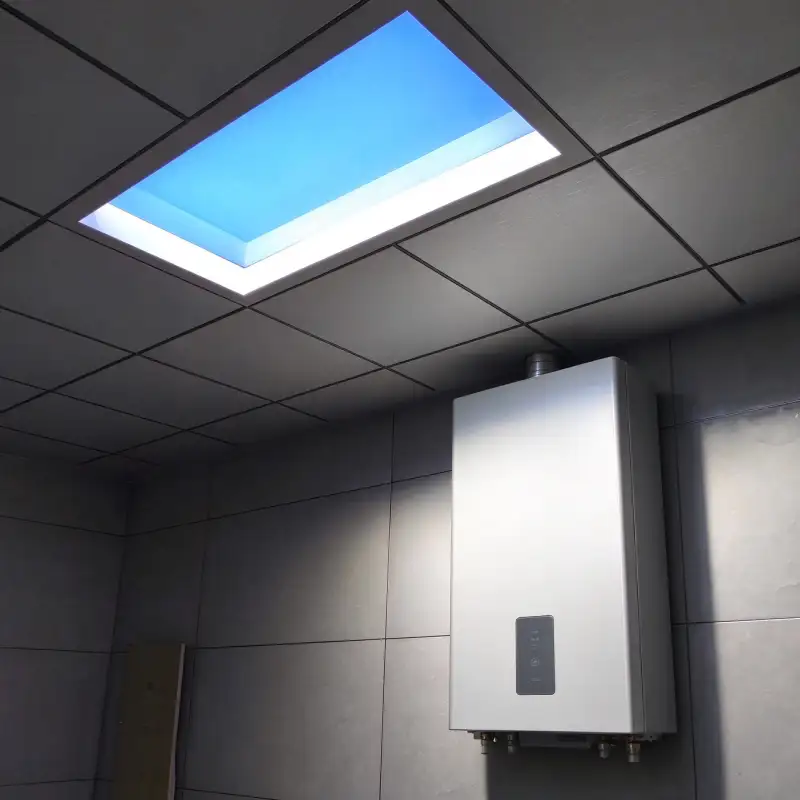
Artificial lighting, as we commonly refer to it, generally means all man-made light sources not generated by the sun. Man made lighting covers household downlights, ceiling lights and light strips, and also includes artificial skylight products that have attracted wide attention in recent years.
Many people confuse the concepts: man made light does not equal poor-quality lighting. Products under artificial lighting span a wide range, from ordinary incandescent lamps to high-end professional lamps that simulate natural sky effects.
Most ordinary artificial lights only fulfill the basic task of illumination, while high-quality artificial lighting can replicate a visual experience close to outdoor natural light indoors.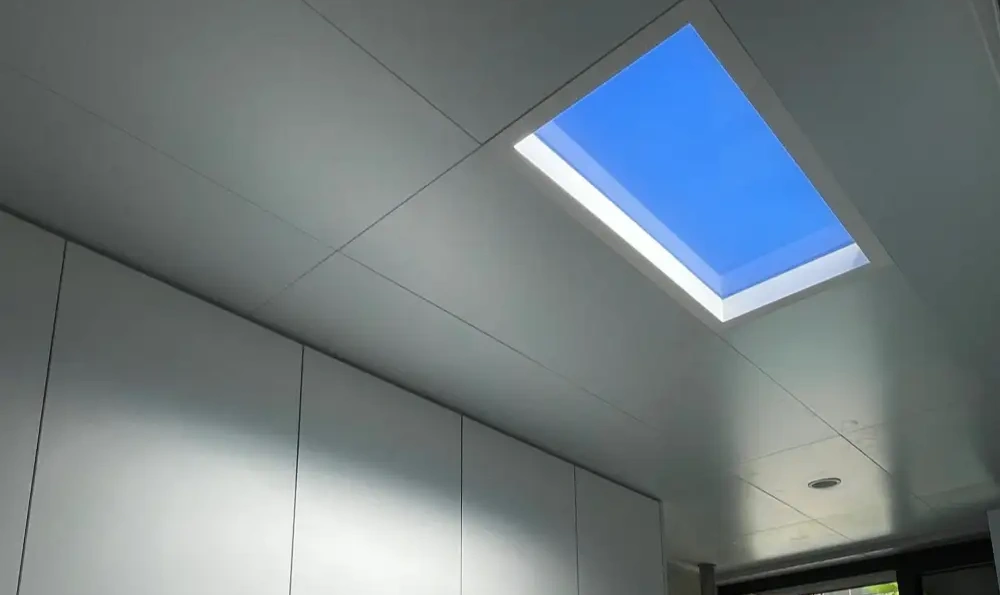
- You can switch between regular indoor lighting and simulated skylight lighting effects with one tap on the wall light switch.
Artificial Lighting vs Natural Light
Natural light comes from the sun. Its color temperature, brightness and light angle change over time, creating soft diffused sky light that delivers positive effects on human vision and mood.
Traditional artificial lighting mostly emits uniform light from fixed points with static light angles, lacking the layered variations found in natural environments. Even at high brightness, it can hardly reproduce the transparent texture of sunlight passing through the atmosphere.
However, modern optical technology is narrowing this gap. Products such as artificial skylight ceiling can create the visual effect of looking at a blue sky through a skylight on the ceiling, solving the pain point of insufficient natural light in windowless spaces.
Why Most Artificial Lighting Feels Unnatural
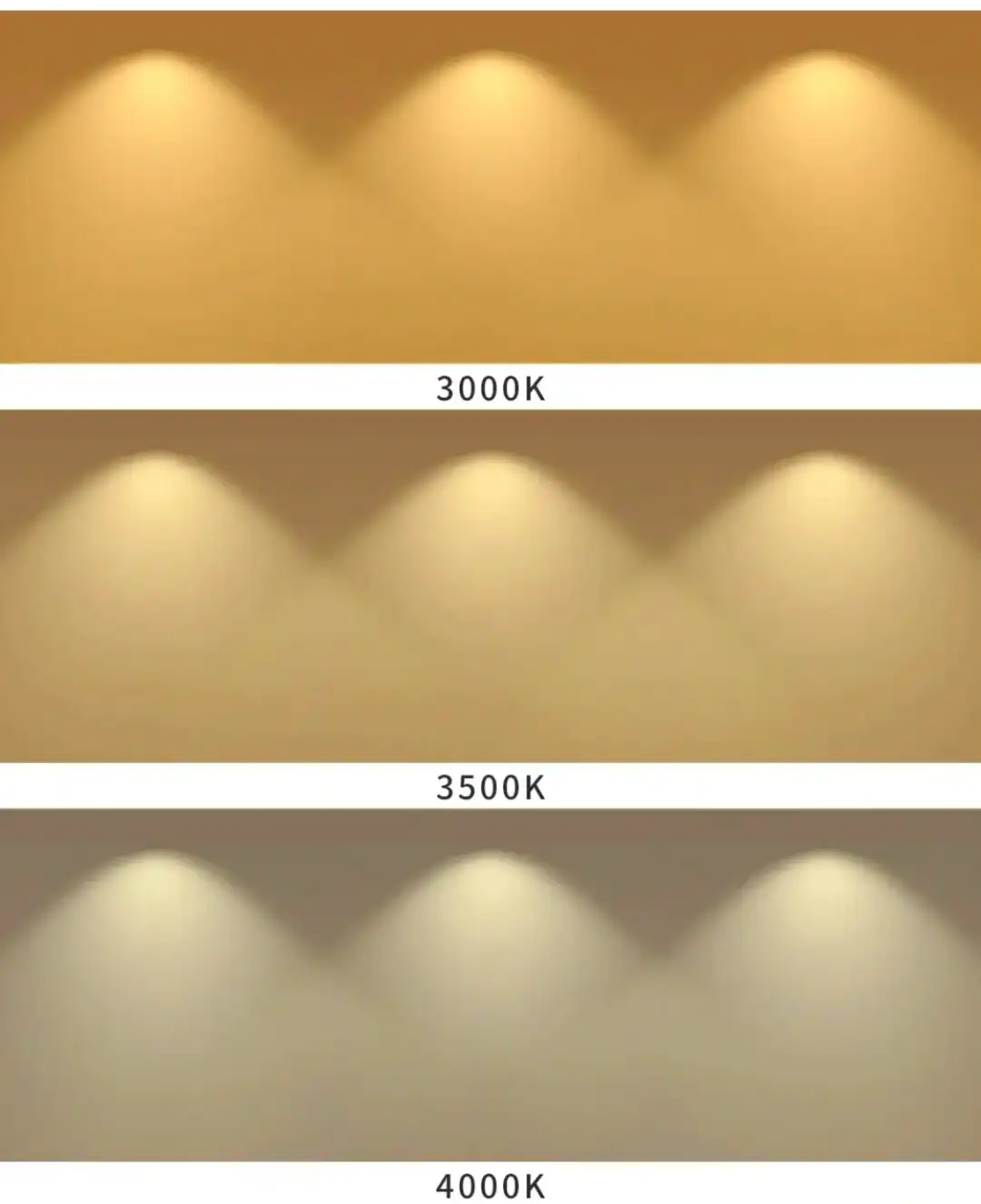
The design goal of most ordinary indoor artificial lights is merely to meet space illuminance requirements, without referencing the optical characteristics of real daylight. First, single light output mode. The light source of ordinary lamps is either exposed or simply softened, producing harsh light without the gradual and soft diffuse reflection of natural light. Second, constant color temperature, unable to simulate dynamic color changes of the sky from early morning, noon to dusk. Third, lack of natural light and shadow layers. Real sunlight creates soft light-dark transitions, while many artificial lights cast rigid, stiff shadows on objects.
This is the core reason why people easily feel tired and depressed after staying in basements or windowless offices, even with sufficient lamps installed.
How to Fake Natural Light at Home
There is more than one way to replicate natural daylight at home besides opening windows. Multiple solutions can be combined according to different housing layouts.
For rooms with windows, prioritize optimizing curtains and blinds to maximize intake of real natural light, supplemented by artificial lighting.
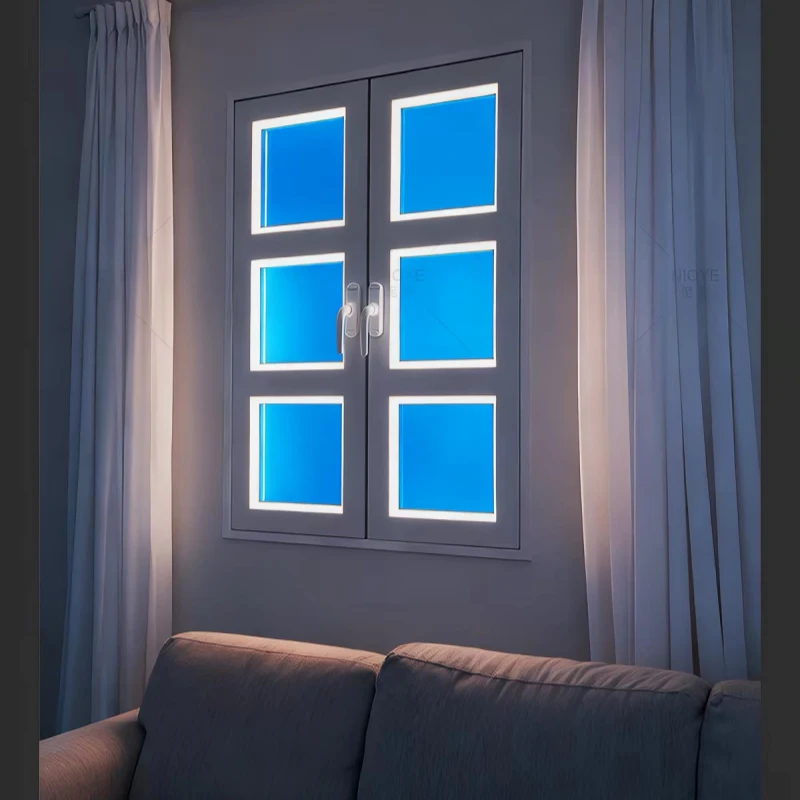
For completely windowless spaces, faux windows for windowless rooms are a mature solution. Such solutions fall into two main types: one is artificial skylight lamps embedded in the ceiling; the other is wall-mounted lighting fixtures simulating a fake window.
There are many DIY renovation solutions on the market, but simple modifications with ordinary light strips often result in heavily distorted light effects. For a realistic and comfortable experience, it is recommended to choose mature mass-produced professional lamps first.
Using a Sunlight Portal or Sky Light
Artificial skylights mainly have two mainstream installation forms: they can be embedded in the ceiling to achieve artificial skylight ceiling effects; or serve as wall-mounted fixtures simulating real windows, similar to faux window for office styles.
Our team has completed real on-site projects: Xiaoting Billiards Hall at No. 2986 Zhangyang Road. The venue has no external windows and the overall space was dark and oppressive. In this project, we adopted ceiling-embedded artificial skylights together with wall-mounted fake window light panel to meet both basic lighting and atmosphere creation needs. After project completion, the venue gained a sunlit atmosphere and was highly recognized by the business owner.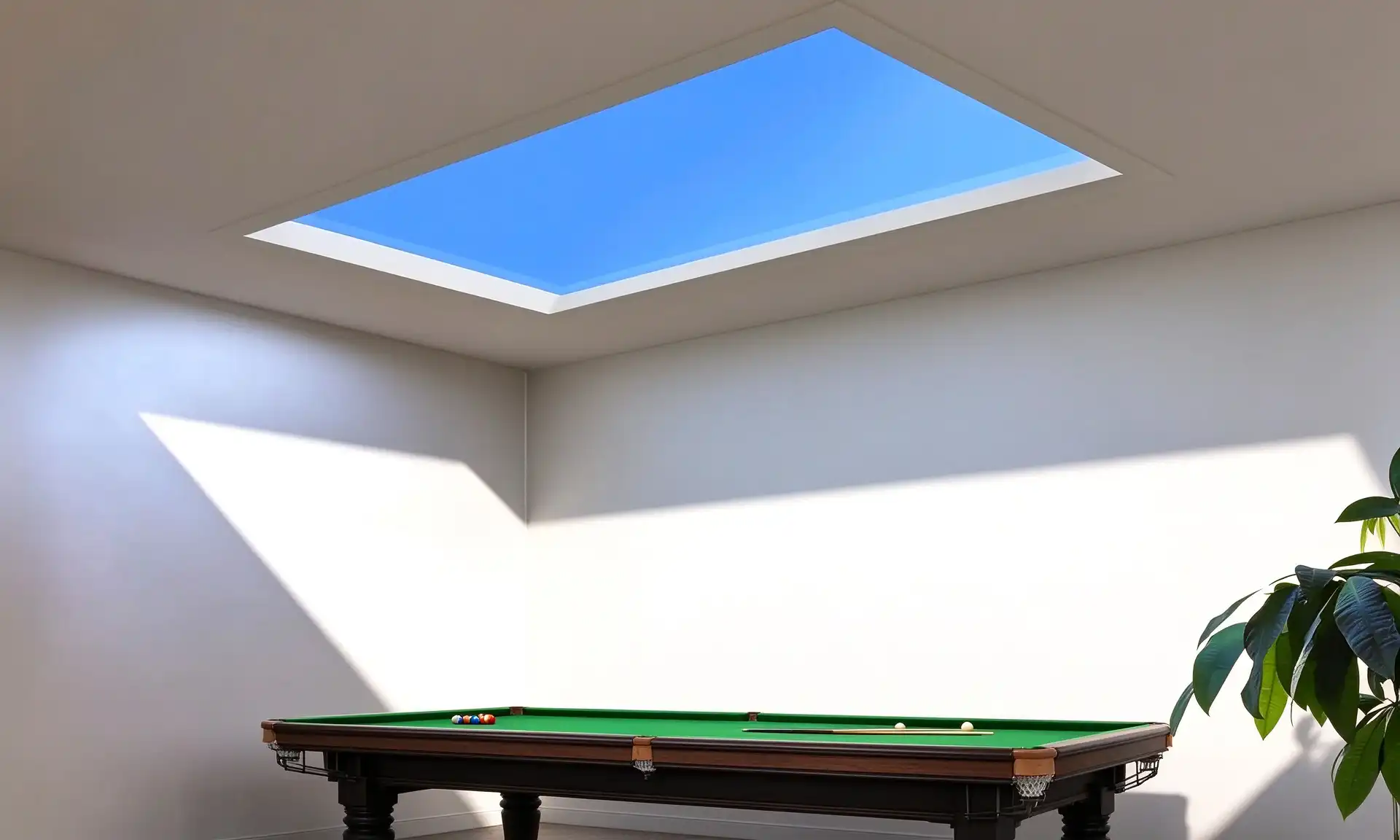
Lamp selection varies for different scenarios. For basement spaces, you may refer to product parameters of fake skylight for basement, with careful consideration of heat dissipation and moisture resistance.
Artificial skylights are not meant to completely replace all indoor lights. They mostly act as the main ambient light source and still need matching local auxiliary lighting to form complete light layers.
Room-by-Room Lighting Plan
Basement
Most basements lack windows, so fake skylight for basement is preferred. Ceiling-embedded artificial skylights provide basic skylight perception, paired with low-position auxiliary lamps to avoid top-heavy light distribution in the space. Do not rely solely on single strong light; layered lighting is closer to real environments.
Office & Work Cubicles
Two options are available for office scenarios: install artificial skylights on the ceiling, or add faux window for office on the wall. Simulated window panels can reduce the oppressive feeling of enclosed cubicles and ease fatigue caused by long working hours.
Bedroom
It is not recommended to run artificial skylights at maximum brightness in bedrooms. Select dimmable and color-temperature adjustable models. Lower brightness before bedtime to prevent strong light from disrupting circadian rhythm.
Corridors, Storage Rooms & Other Small Windowless Spaces
Fake window light panel is suitable for such narrow spaces. Wall-mounted simulated windows break the sense of enclosure and relieve the cramped feeling of small spaces.
Note: Before installing faux windows for windowless rooms, make sure to check ceiling depth and wall load-bearing conditions to avoid installation obstacles later.
Buying Tips
- Prioritize optical performance. Prefer products that can restore natural blue sky gradient effects, and avoid low-cost versions that only use films or printed patterns to fake skylight. Poor-quality products produce greyish blue light with very low simulation fidelity.
- Verify installation conditions. For ceiling-type artificial skylight ceiling, confirm the reserved ceiling depth; for wall-mounted simulated window styles, check whether the wall has wiring access.
- Choose dimmable and color-temperature adjustable models first. The value of man made light lies in its ability to imitate daylight changes throughout the day; products with fixed color temperature and brightness deliver much poorer experience.
- Pay attention to eye protection parameters. Select products with low glare and high color rendering index. Artificial lights with severe glare may harm eyesight after long-time use.
- Match product with usage scenarios. For basements, check moisture resistance rating; for commercial scenarios (such as billiard halls and retail stores), verify continuous operation stability of products.
- Budget trade-off. Do not compare prices only. Some low-cost fake window light panel suffer from brightness attenuation and color shift after a period of use, leading to higher maintenance costs in later stages.