Artificial Skylight Buying Guide: How to Choose the Most Natural Artificial Skylight
Many housing layouts feature windowless rooms, underground spaces and narrow corridors that lack natural daylight, leaving interiors dull and oppressive. As a lighting solution that simulates natural sky light, artificial skylights are increasingly adopted in residential and commercial projects.
However, product quality varies widely across the market. Many fixtures look unnatural once turned on, and people can immediately tell they are artificial light sources. This buying guide helps you understand core specifications to pick the best artificial skylight and achieve natural daylight effects close to real skylights at home.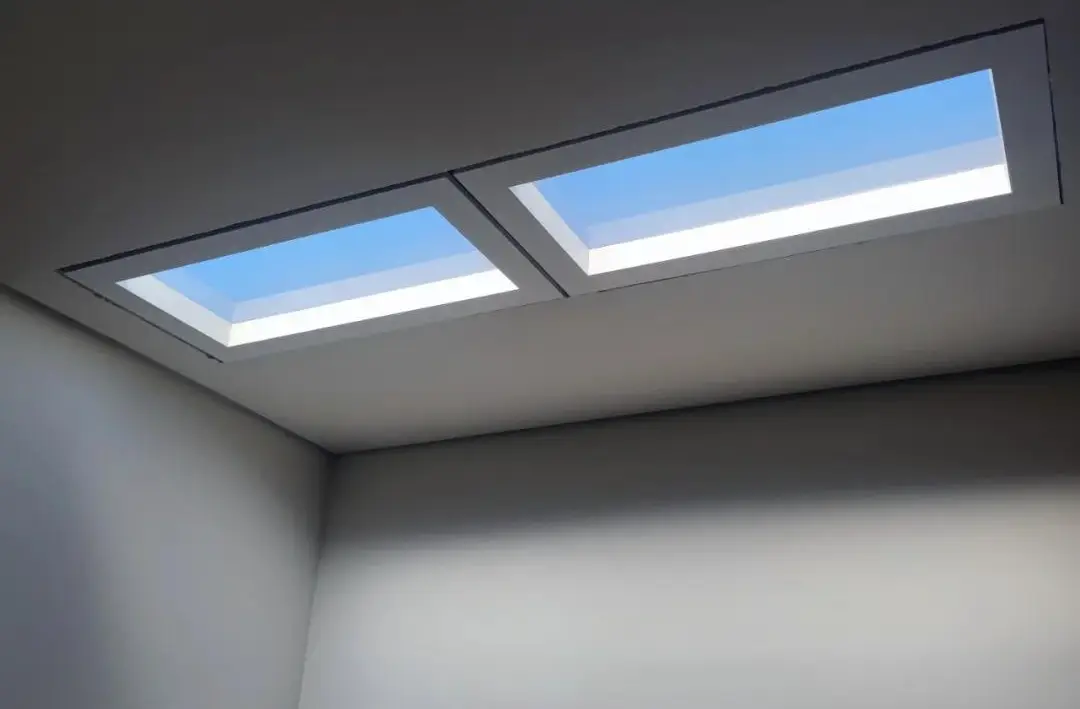
What is an artificial skylight?
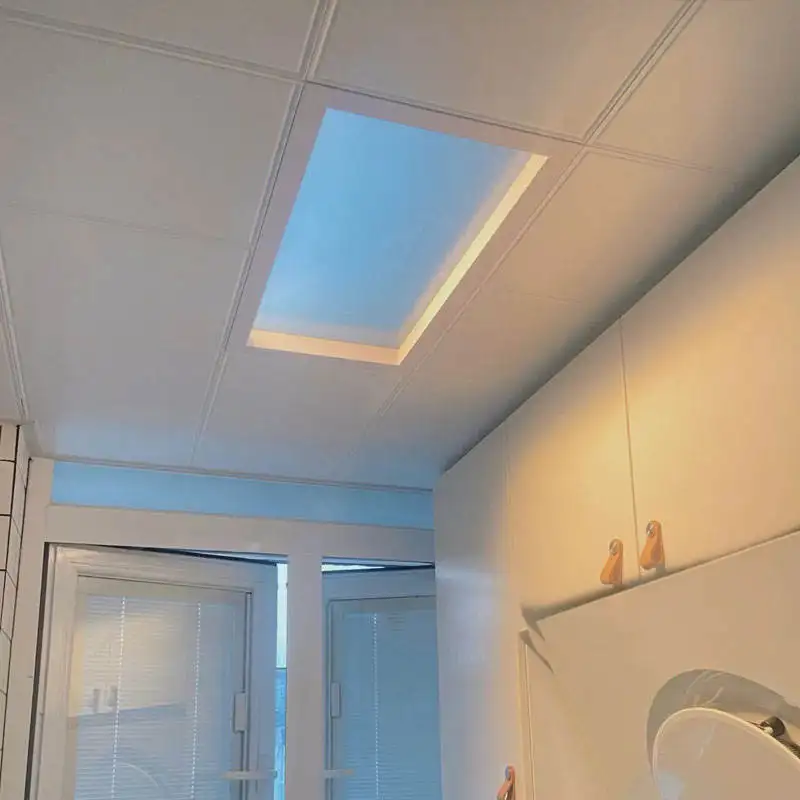
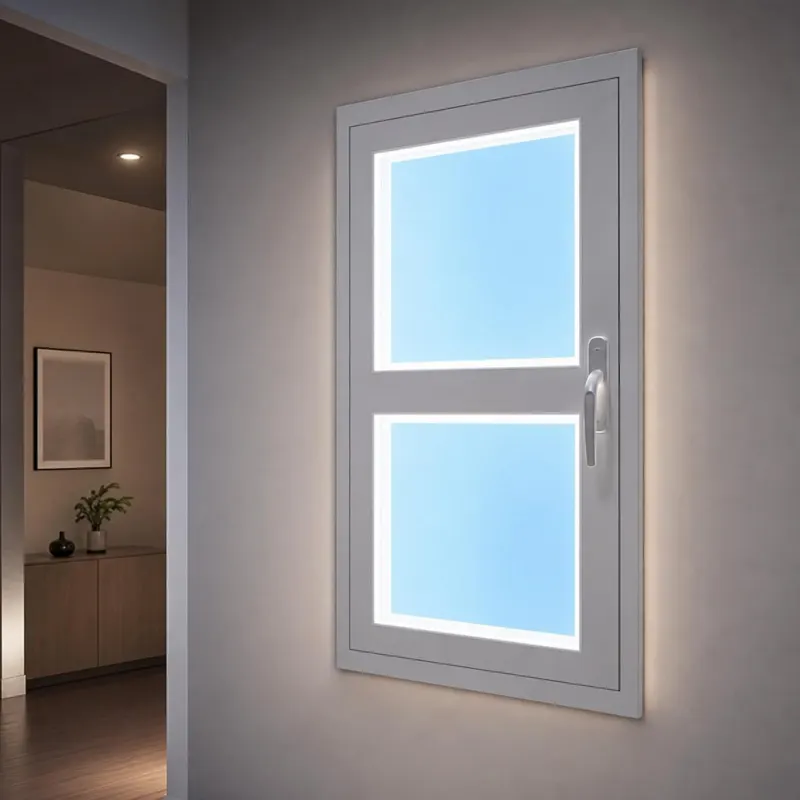
An artificial skylight, also known as a simulated sky panel or artificial simulated skylight, uses optical structures and LED light sources to replicate the visual effect of outdoor blue sky and sunlight. There are two main installation types: recessed into ceiling panels, or wall-mounted like a fake window on walls.
Differences between real skylights, ordinary skylight lamps and artificial skylights
A genuine physical skylight relies on external natural daylight and is restricted by weather, day-night cycles and floor levels. It produces no effect on cloudy days or at night, and installation requires roof renovation with high costs and non-negligible risk of water leakage.
Most ordinary skylight lamps simply emit light through a plain blue panel with single-tone blue light and no layered sky gradients.
High-quality artificial skylights reproduce the light and shade layers of the sky with soft light diffusion. They do not require roof penetration, work regardless of weather, and deliver simulated sky light all day long. This is their biggest advantage.
Suitable for windowless rooms, basements and corridors, offices
Fake window for windowless rooms is a high-frequency search scenario among overseas users. For fully enclosed interiors without exterior windows, traditional lighting can hardly ease the sense of confinement.
Artificial skylights solve this pain point: basements with no sunlight all year round, narrow corridors with poor lighting, and partitioned office cubicles can all use artificial skylights to simulate natural daylight environments and improve space atmosphere.
Main Types of Artificial Skylights
There are three mainstream product categories on the market. Each type matches different installation requirements, budgets and visual effects.
Artificial skylight panels
Artificial skylight panels are the most popular category currently. Most come in square or rectangular thin panel forms. The majority support recessed ceiling installation, while some models can be surface-mounted or wall-mounted to create fake window visuals.
- Advantages: Complete visual presentation, strong blue sky gradient performance, suitable for home renovation and large-area commercial office projects.
- Note: Recessed versions require sufficient ceiling depth; check ceiling conditions before purchase.
Artificial skylight lamp
Artificial skylight lamp mostly exists as an independent lighting fixture. Some are ceiling-mounted without complicated ceiling embedding. It suits old-house renovation where users do not want large-scale ceiling modification. Compared with panel types, it has a smaller display size, ideal for localized supplementary lighting in compact spaces, and not recommended for large areas demanding strong simulated skylight effects.
LED artificial skylight
LED artificial skylight adopts LED as the core light source and represents the mainstream technical solution in the industry. Older generations used other light sources with high power consumption, heavy heat generation and poor color rendering. Modern mainstream products all use LED light sources, balancing energy efficiency, high color rendering and dimming capability. Most artificial skylight panels and artificial skylight lamps fall under LED artificial skylight.
Additional scenario tip: For fake skylight for basement applications, select high-CRI LED artificial skylight to offset the cold and dim feeling of underground spaces.
How to Identify the Best Artificial Skylight?
To select the best artificial skylight, do not judge only by product photos. Focus on four key hard metrics, practical criteria summarized from years of home and commercial project experience.
Brightness, Color Rendering Index and Blue Sky Gradient
Higher brightness does not equal better results. Excessive brightness causes distortion; illuminance matching midday outdoor sky light delivers a more natural look. The Color Rendering Index (CRI) is critical. A high CRI restores the true color of objects. Blue sky gradient is the dividing line between low-end and premium products. Budget options show flat, solid blue; premium models deliver gradual sky tones mimicking the depth transition of a real sky.
The core of simulate sunlight indoor lighting is not merely emitting blue light, but reproducing the color and light variation of natural daylight.
Glare Resistance and Tunable Color Temperature
Direct viewing of skylight causes uncomfortable glare. Premium artificial skylights adopt diffuse optical structures to reduce glare, so users will not feel dazzled when looking up at the fixture. Tunable color temperature supports simulation of sky light changes from dawn to dusk: cooler blue sky tone during daytime and soft warm light at night, matching the human circadian rhythm.
Installation Depth and Ceiling Requirements
A common pitfall: buyers purchase panels only to find insufficient ceiling depth for recessed mounting.
- Recessed artificial skylight panels: Verify reserved ceiling depth;
- Surface-mounted / wall-mounted models: Almost no ceiling requirements, friendly for old building renovation;
- Artificial skylight lamp: Mostly ceiling-mounted with low ceiling height requirements.
Application of Artificial Skylights in Different Spaces
Living Rooms, Bedrooms, Bathrooms and Basements
- Living room: Choose large-size artificial skylight panels as ambient lighting to boost spatial openness.
- Bedroom: Prioritize low-glare, dimmable and tunable models, sleep-friendly without excessive brightness.
- Bathroom: Confirm the fixture has proper ingress protection rating; standard indoor models cannot be used in humid spaces.
- Basement (fake skylight for basement): Basements generally have limited ceiling height. Prefer ultra-thin recessed or wall-mounted fake window styles to relieve the oppressive underground feeling.
Commercial and Office Spaces
Internal office cubicles, windowless meeting rooms, corridors and exhibition halls are ideal locations for artificial skylights. Long-time indoor workers lacking natural daylight benefit from simulated sky light to ease visual fatigue. Commercial projects often combine multiple panels to create large-area ceiling sky light effects and elevate overall space quality.
Artificial Skylight Pricing and Budget Planning
Artificial skylight price varies widely, from entry-level affordable options to high-end commercial versions. Plan your budget based on actual needs.
- Entry tier: Basic LED artificial skylight with simple blue light effect and limited sky gradient. Suitable for users with tight budgets who only want simple ambiance. Drawbacks: mediocre color rendering and low sky simulation fidelity.
- Mid-range tier: Mainstream artificial skylight panels with high color rendering, anti-glare and dimming functions. The first choice for most residential scenarios, balancing simulation performance and cost.
- High-end commercial tier: Large-size multi-panel combinations and intelligent linked control. Designed for offices, exhibition halls and commercial projects with strict requirements on optical performance and stability.
Purchase reminder: Do not compare prices alone. Prioritize optical performance, protection rating and installation conditions. Low-cost products often suffer from severe glare and color distortion, leading to higher replacement costs later.
FAQ
Q1: Must an artificial skylight be installed on the ceiling? A: Not necessarily. Besides ceiling installation, many models support wall mounting to simulate fake windows on walls, suitable for layouts where ceiling renovation is impossible. This matches scenarios like fake window for windowless rooms.
Q2: Can an artificial skylight replace all main lighting in a room? A: Some high-brightness panels can provide basic general lighting; most products are positioned for ambiance and natural daylight simulation. It is recommended to use them alongside primary ceiling lights.
Q3: Will artificial skylights get damaged easily in humid basements? A: Standard indoor models are not suitable for humid basements. Select models with moisture-proof ingress protection certification for basement installation.
Q4: Can artificial skylight panels be installed in old houses without suspended ceilings? A: Yes. Choose surface-mounted or wall-mounted fake window styles with no ceiling cutting required.
Q5: Does LED artificial skylight consume large amounts of electricity? A: LED light sources have controllable power consumption, similar to ordinary LED panel lights. Electricity costs remain low for long-term operation.